
Hub Postdoctoral Research Associates
Our Hub Postdoctoral Research Associates (PDRAs) are central to the Hub’s research activity.
Our Hub PDRAs
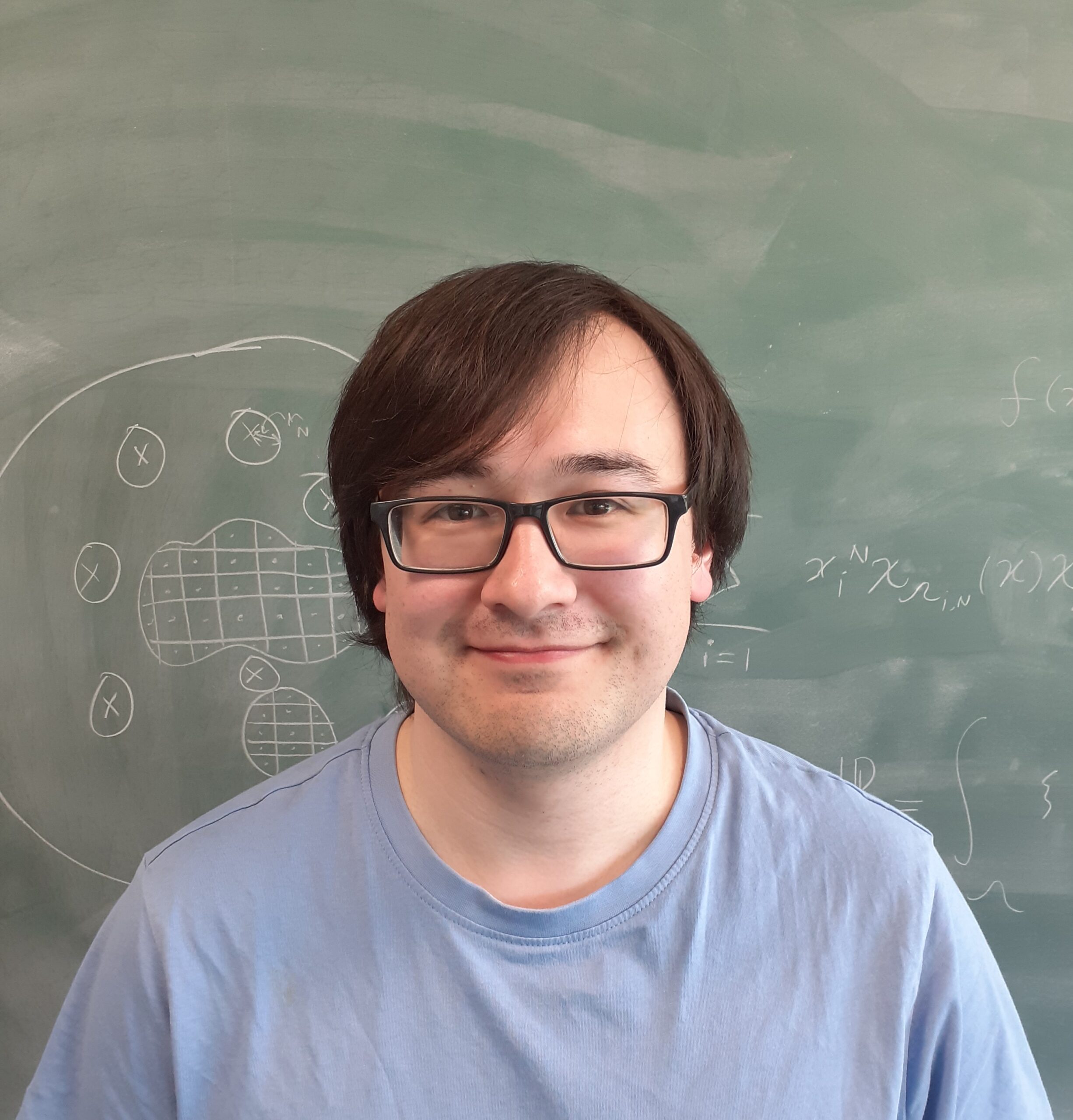
Oliver Clarke
Durham University
Oliver is a Postdoctoral Research Associate at Durham University working on the foundations of Non-Archimedean Optimisation and Machine Learning. He received his PhD from the University of Bristol in 2022 where his supervisor was Fatemeh Mohammadi. His aim is to develop algorithms for hierarchical data, such as trees or genetic data, by using tools from Tropical Geometry.
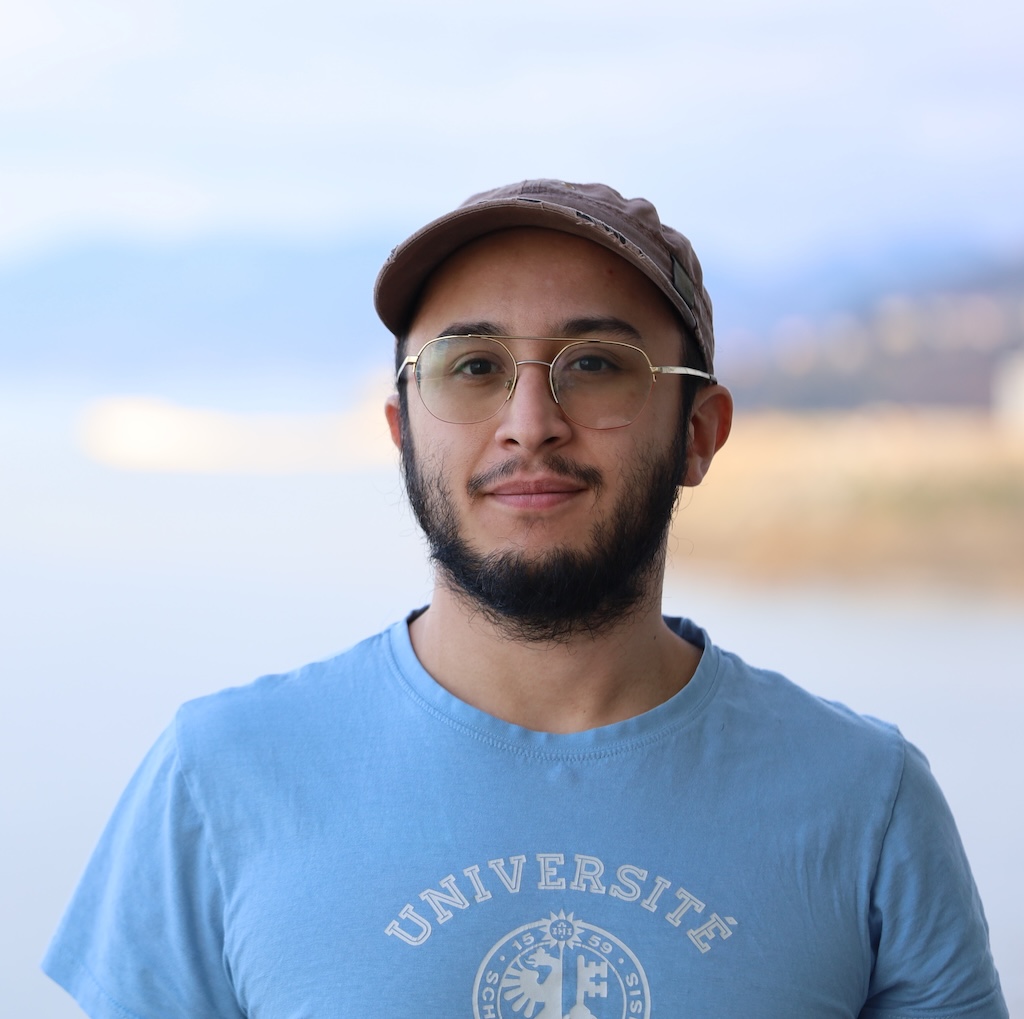
Kamillo Ferry
Imperial College London
Kamillo joined the Erlangen AI Hub as a Postdoctoral Research Associate at Imperial College London after receiving his PhD in Mathematics from the Faculty II – Mathematics and Natural Sciences at Technische Universität Berlin. There I was a PhD student with Carlos Améndola at the research group of Algebraic and Geometric Methods in Data Analysis.

Tristan Madeleine
University of Southampton
Tristan is a theoretical physicist and applied mathematician specialising in topological data analysis in optics and liquid crystalline structures. He is working on understanding the hypergraph structure stemming from the conformal predictions of an AI classifier as well as the different pooling approaches for graph neural networks and their higher order generalisations.

Branton DeMoss
University of Oxford
Branton’s received a DPhil at the University of Oxford, his research conducted through the Oxford Robotics Institute. He is now a PDRA in the Mathematical Institute. He works on the theory of generalisation in learning systems, using ideas from algorithmic information theory and statistical physics to understand how learning systems evolve, and why they generalise.
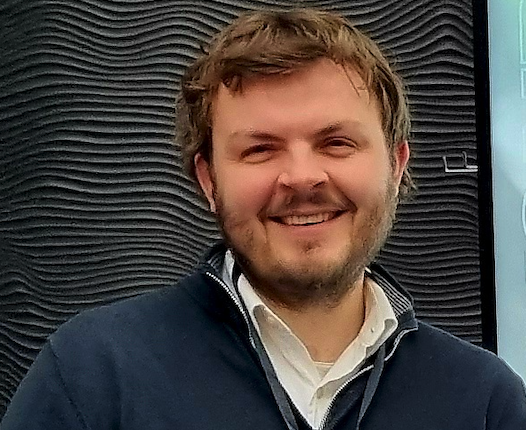
Spencer Goodfellow
University of Southampton
Spencer specialises in machine learning, with a focus on graph partitions and their applications to graph neural networks. His research explores approximate graph symmetries and approximate equivariance in neural network architectures. Drawing on a background in geometric group theory, he investigates ML systems.
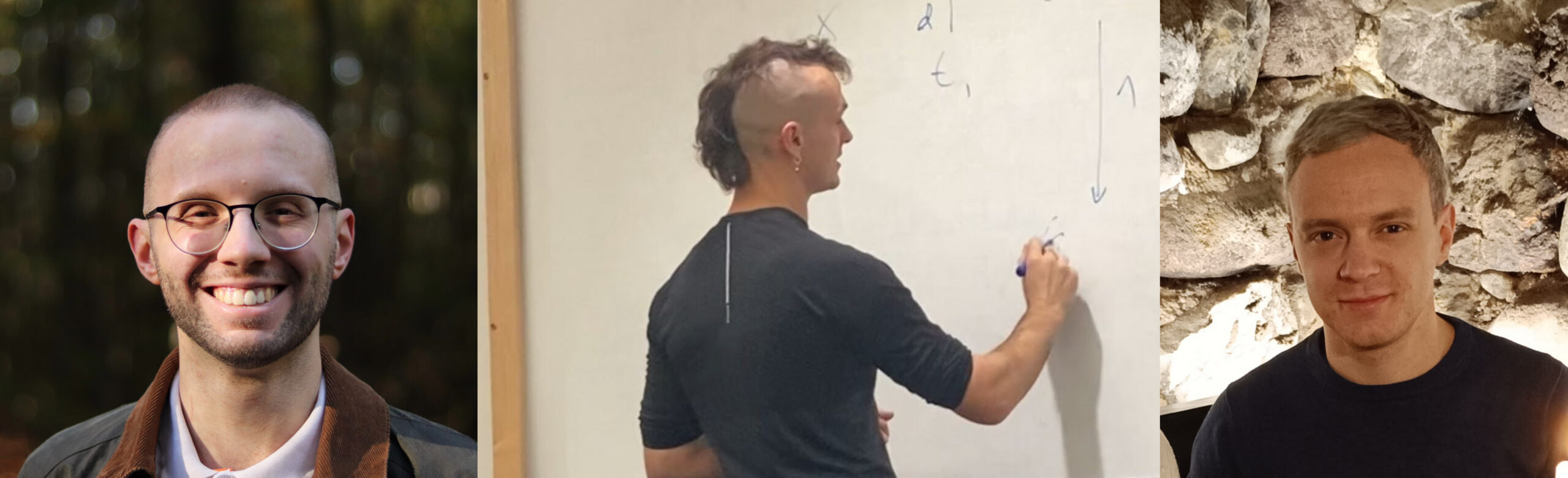
Kelly Maggs
University of Oxford
Kelly Maggs completed a PhD in algebraic topology at EPFL, then transitioned to mathematical biology during a postdoc at the Max Planck Institute for Cell Biology and Genetics. His research goal is to develop a geometric, topological, and algebraic language for cellular processes compatible with modern machine learning.
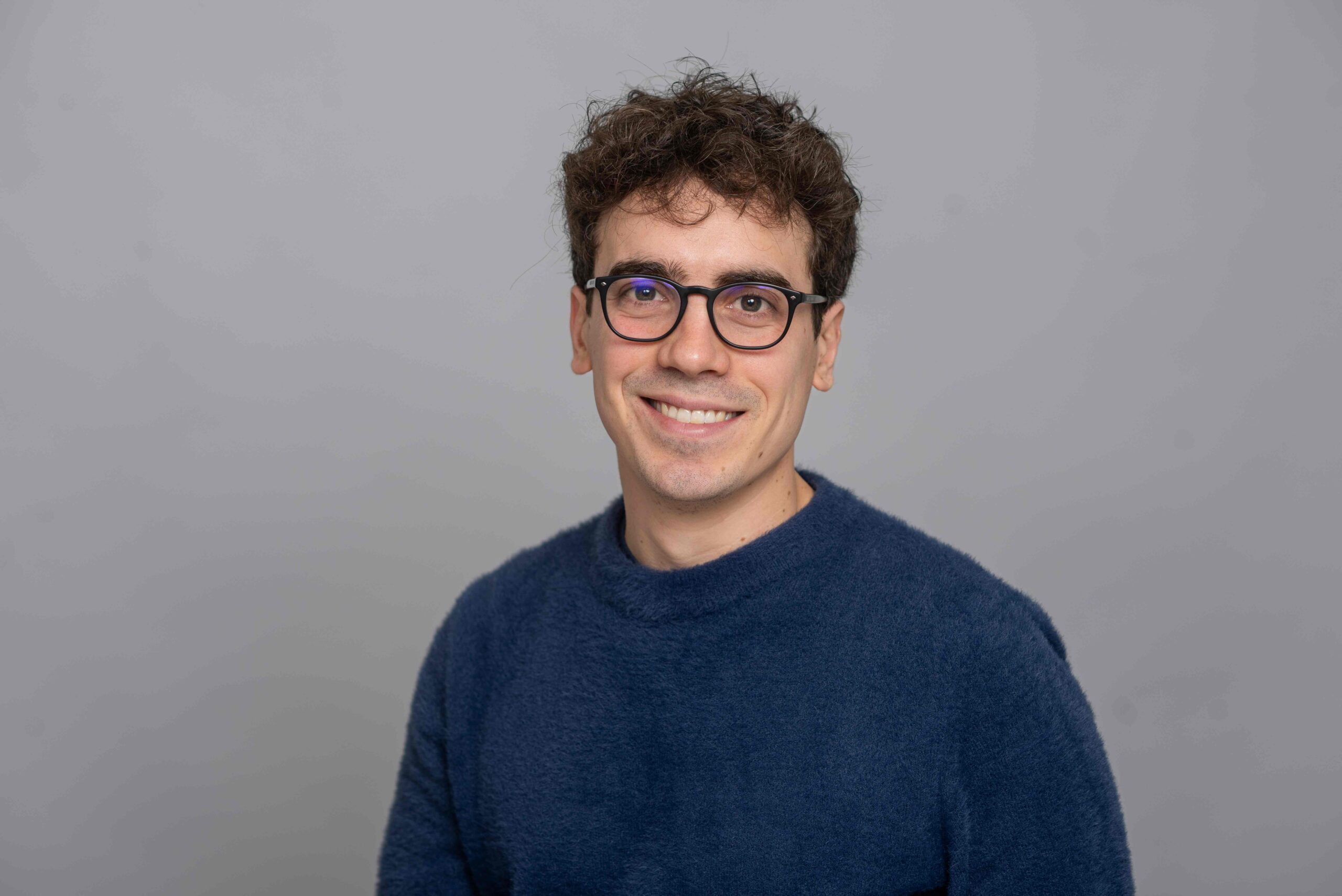
Francesco Fabiano
University of Oxford
Francesco is a Research Associate at the Department of Computer Science. He is also a Research Fellow at Saint Joseph’s University, affiliated faculty at New Mexico State University, and part of IBM’s cognitive AI research group. His work focuses on human decision-making, considering factors like experience and cognitive biases, to help design AI systems.

Konstantin Kueffner
University of Oxford
Konstantin completed his PhD with Thomas Henzinger, studying formal verification, statistics, and machine learning, particularly uncertainty quantification for runtime monitoring of algorithmic fairness. He holds degrees in business administration, business information systems, and logic and computation.

Frederik Mathiesen
University of Oxford
Frederik is a Postdoctoral Research Associate with the Oxford Control and Verification group at the University of Oxford. He completed his PhD at the Delft Center for Systems and Control, TU Delft. His research interests span formal methods, dynamical systems – particularly stochastic and hybrid systems – and scientific machine learning.
Eng-Jon Ong
Queen Mary University of London
Eng-Jon joined the School of Mathematical Sciences at QMU and is working on applying topological data analysis methods to better understand how DNNs function and learn. His main interests are in visual feature tracking, data mining and theoretical machine learning methods. He is interested in how probability distributions propagate through deep neural network layers.
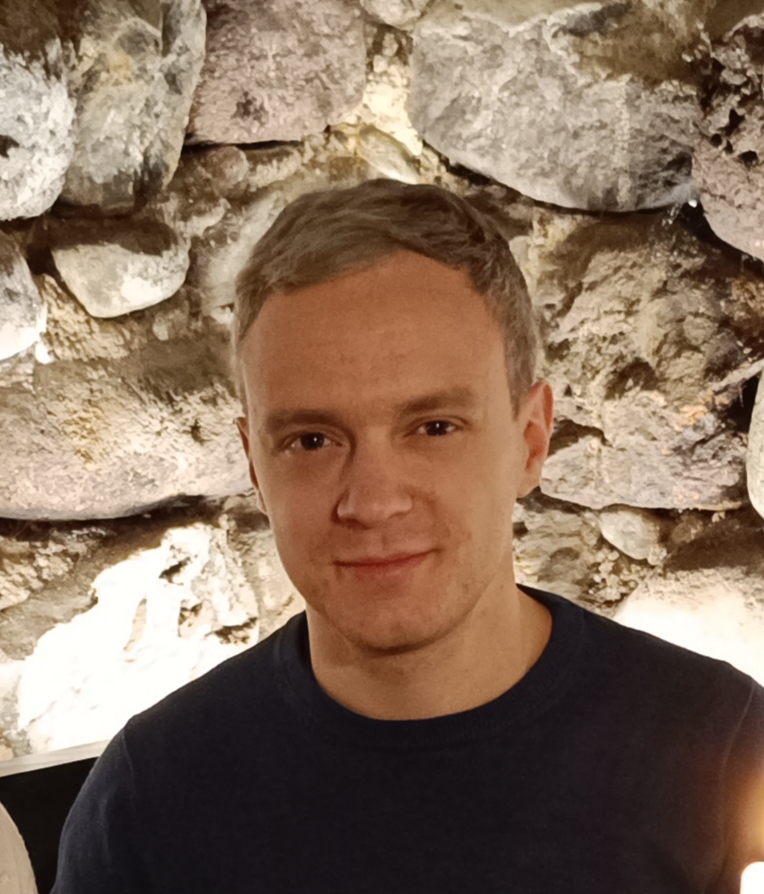
Gianmarco Parretti
University of Oxford
Gianmarco is a Research Associate at the Department of Computer Science. His research lies at the intersection of Artificial Intelligence and Formal Methods, aiming to improve the reasoning capabilities of autonomous agents. Gianmarco received his PhD in AI at the University of Rome “La Sapienza” after defending a thesis titles “Synthesis Under Environment Specifications for LTLf”.

Edward Pearce-Crump
Imperial College London
Edward is a Postdoctoral Research Associate in the Erlangen AI Hub at Imperial College London, working on the mathematical and computational foundations of AI. His research spans group equivariant neural networks, category theory, algebraic combinatorics, and quantum computing. He holds a PhD in Computer Science from Imperial, where he was awarded a G-Research PhD Prize for his thesis.
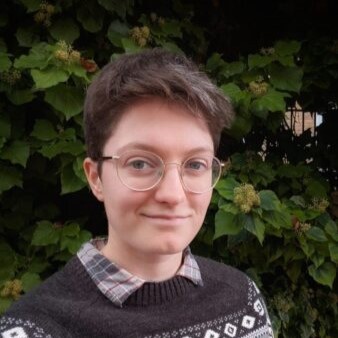
Roan Talbut
Durham University
Roan is a PDRA at Durham University, specialising in the use of tropical geometry in analysing and training neural networks. More broadly, their research interests span tropical geometry, optimisation, probability, and applications in data science. Their PhD was focussed on the probabilistic and computational advantages in using tropical geometry for phylogenetic statistics.
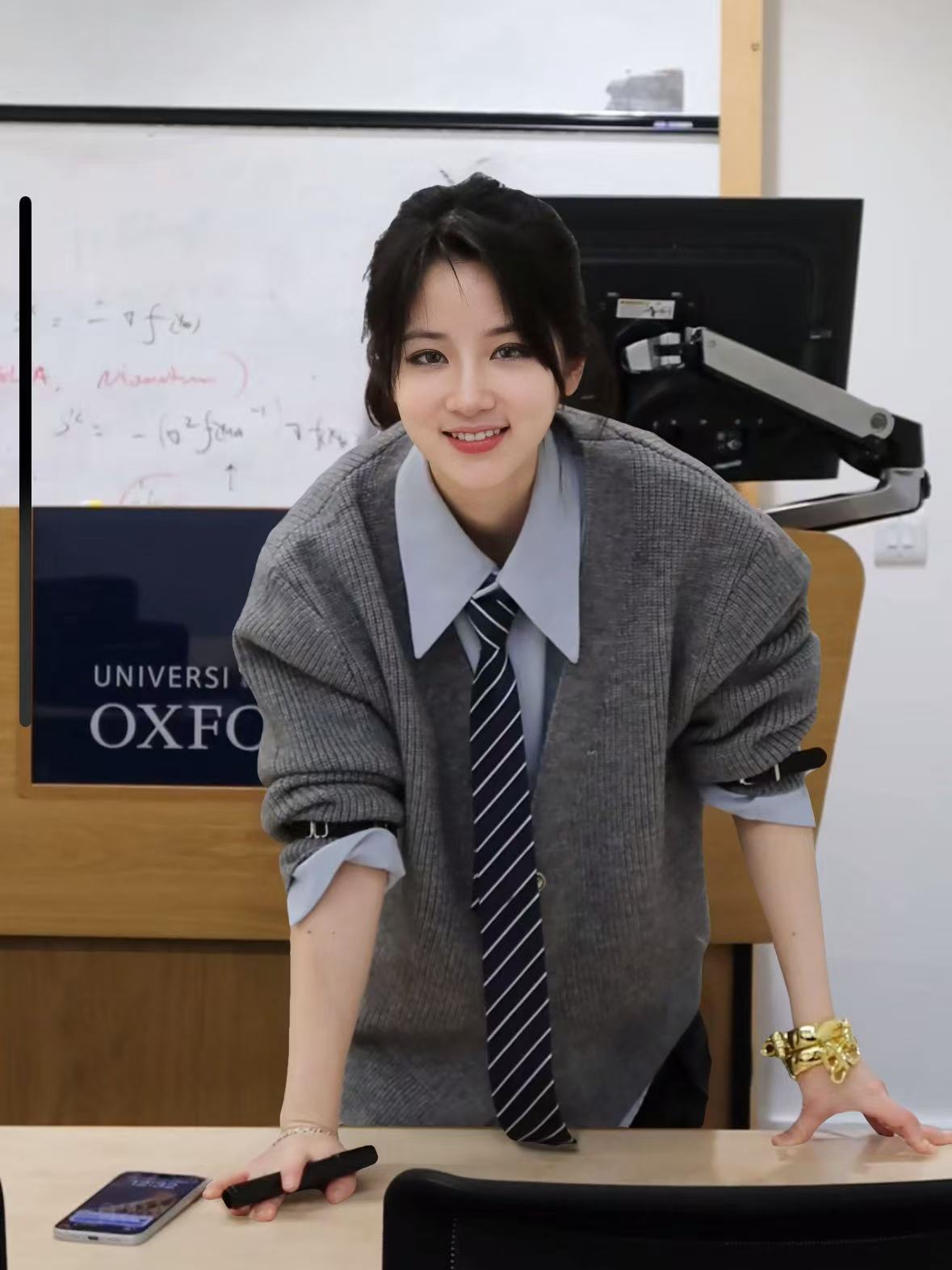
Kate Wenqi Zhu
University of Oxford
Kate’s research focuses on efficient nonconvex optimization with applications to AI, with interests spanning computational complexity analysis, tensor approximation, sum-of-squares techniques, implementable high-order subproblem solvers and adaptive regularization methods. She completed both her undergraduate degree and her first master’s degree in mathematics at Oxford.

Qiquan Wang
Queen Mary University of London
Qiquan is a Postdoctoral Research Associate at Queen Mary University of London. Her research interests lie at the intersection of topological data analysis, machine learning, and statistics, with a particular focus on the use of topological methods in machine learning training to improve model interpretability and performance. She received her PhD in Mathematics from Imperial College London.
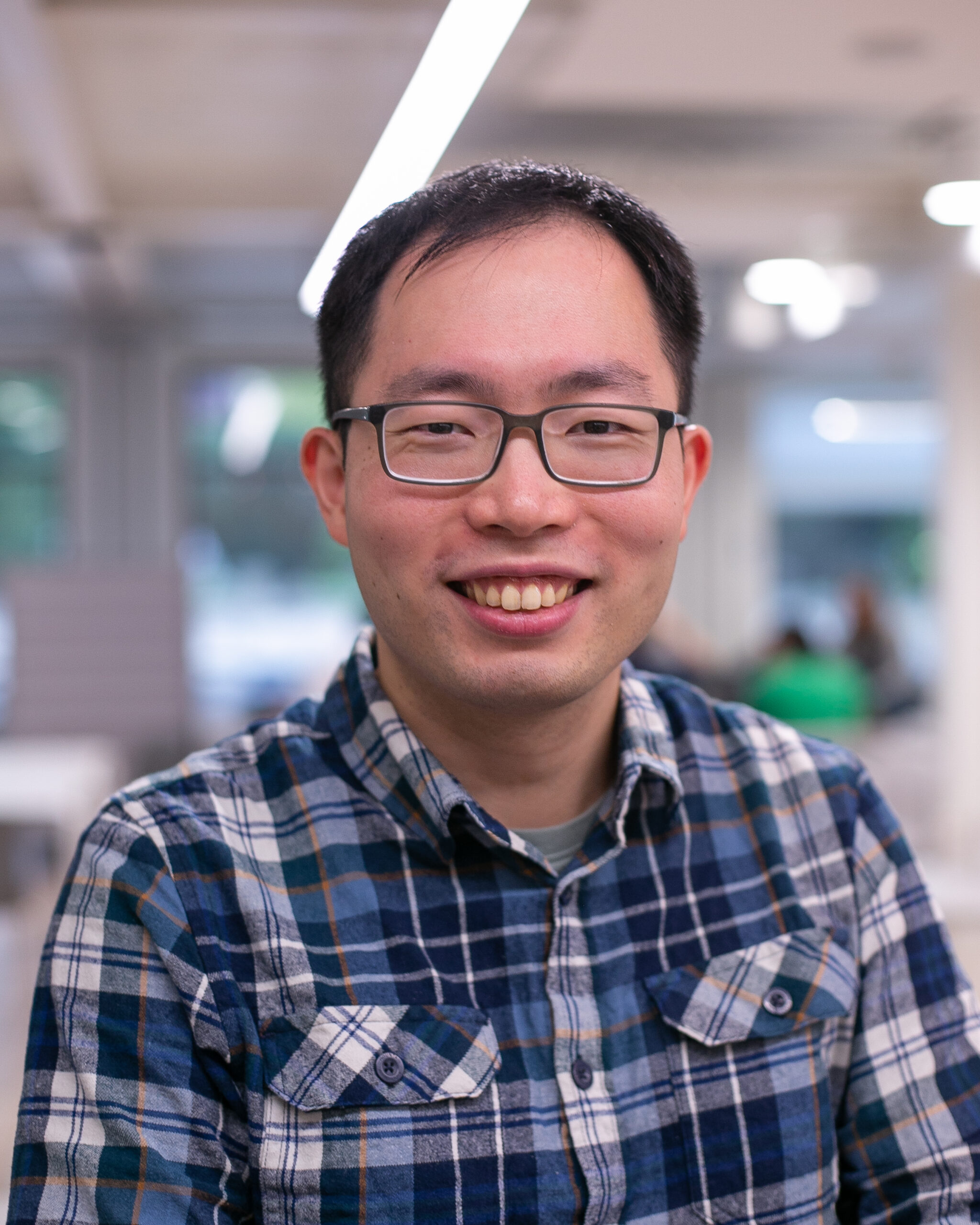
Ka Man (Ambrose) Yim
University of Oxford
Ka Man (Ambrose) Yim is a Postdoctoral Research Associate based in the Statistics Department at Oxford University. His research is focussed on topological data analysis (TDA) and geometric deep learning (GDL), specialising in spectral methods and Morse theory. He has considerable experience of working with industry on mathematical modelling during his DPhil at Oxford.